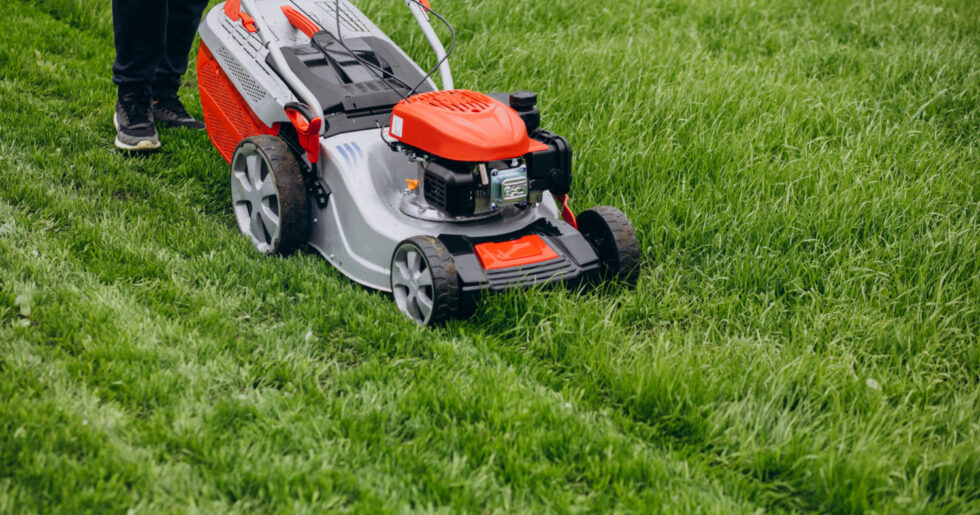
There is a big difference between mowing a quarter-acre suburban block and keeping on top of two, five or ten acres. When you own a large property, a push mower is not just slow. It is simply the wrong tool. A job that would take an hour on a standard lawn can swallow an entire weekend, and that is before you deal with slopes, fence lines, dams, trees and long, fast-growing grass.
Across the outer suburbs of Melbourne’s north, from Donnybrook and Beveridge to Mickleham, Wollert and Sunbury, more and more people are choosing rural-residential living. The space, the views and the lifestyle are wonderful, but the maintenance is a serious commitment.
This guide explains how acreage mowing in Melbourne Northern Suburbs works, what equipment is used, how often large blocks need attention, what affects the price and why regular grass management is about much more than appearances.
If you already know you need a hand, you can get a lawn mowing quote for your property in a couple of minutes.
What Counts as Acreage Mowing?
Acreage mowing generally refers to cutting and managing grass on larger properties where standard residential equipment is not practical. That includes:
- Rural-residential blocks of one acre and above
- Paddocks and grassed areas around homes and sheds
- Long driveways and fence lines
- Orchards, vineyards and hobby farms
- Vacant or undeveloped land that must be kept tidy
- Corner lots and large commercial or industrial grounds
The work might involve a ride-on mower, a slasher behind a tractor, a brush cutter for steep or rough areas, or a combination of all three. The right choice depends on the grass height, terrain and what you want the finished area to look like.
Ride-On Mowers vs Slashers vs Brush Cutters
One of the most common questions we hear is, “What is the difference between mowing and slashing?” Here is a simple breakdown.
Ride-On Mowers
Ride-on mowers are ideal for maintained lawns and larger gardens where a neat, even finish matters. They cover ground quickly, cut at a consistent height and handle open areas around houses, sheds and driveways. They work best on grass that has been cut regularly, rather than waist-high growth.
Slashers
Slashers are heavy-duty cutters, usually towed behind a tractor or mounted on a larger machine. They are built for rougher, taller and thicker vegetation such as paddocks, long grass and overgrown fields. The result is functional rather than manicured, which is perfect for fire management and paddock maintenance.
Brush Cutters and Whipper Snippers
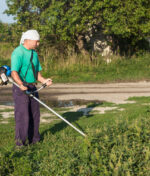
For steep banks, fence lines, areas around trees and spots machinery cannot reach, hand-held brush cutters do the detail work. They are slower but essential for a tidy finish.
A good acreage service combines these tools, using the right machine for each part of your property. You can see how this works on our acreage ride-on mowing services page.
Why Acreage Mowing Matters More Than You Think
It is easy to think of mowing a large block as purely cosmetic. In reality, regular grass management serves several important purposes.
1. Fire Risk Management
Melbourne’s north is known for hot, dry summers and strong winds. Long, dry grass is highly flammable, and fire can spread quickly across open land. Keeping grass short, particularly close to buildings, fences and driveways, is one of the most practical steps you can take. Councils and fire authorities can also issue fire prevention notices to landowners, so check your local council and CFA requirements for what applies to your property.
2. Pest and Snake Control
Long grass provides shelter for snakes, rodents and insects. Keeping the area around your home, sheds and play spaces short reduces the chance of unwelcome encounters.
3. Weed Control
Uncut paddocks quickly fill with weeds that set seed and spread. Regular slashing before seed set slows their progress and keeps your block healthier. For persistent problems, a professional weed spray service works well alongside mowing.
4. Property Presentation and Value
Whether you are living on the land, renting it out or preparing to sell, a well-kept block makes a strong first impression. Buyers and tenants notice the difference between a neat property and an overgrown one.
5. Safety and Access
Clear driveways, fence lines and access tracks make it easier for emergency vehicles, deliveries and visitors to get around safely.
How Often Should Acreage Be Mowed?
There is no single answer, as it depends on the type of grass, rainfall, soil and how you use the land. As a rough guide:
- Spring: Growth peaks, so plan for cutting every 2 to 4 weeks around the house and every 4 to 6 weeks in outer paddocks.
- Summer: Growth slows with heat, but grass dries out quickly, so focus on fire-prone areas and keep fire breaks clear.
- Autumn: A final tidy-up helps tackle weeds and prepares the block for winter.
- Winter: Mowing is lighter, but occasional cuts may be needed around buildings and driveways, especially after wet spells.
Many owners set up a regular schedule for the home paddock and fence lines, then book additional slashing as needed for larger areas.
What Affects the Cost of Acreage Mowing?
Because every large block is different, acreage mowing is usually quoted on the specifics of the job rather than a flat rate. The main factors include:
- Total area: More land means more time and fuel
- Grass height and density: Thick, overgrown vegetation takes longer to cut
- Terrain: Slopes, rocks, ditches and uneven ground slow progress
- Obstacles: Trees, fences, dams, equipment and animals all require careful work
- Equipment needed: Ride-on, slasher or brush cutter
- Frequency: Regular visits are often more cost-effective than occasional heavy clean-ups
- Location and access: Gates, tracks and distance from other jobs can matter
For an idea of how pricing works in general, see our guide to lawn mowing costs in Melbourne’s northern suburbs. For an accurate figure, the quickest way is to request a personalised quote.
How to Prepare Your Property Before the Mowers Arrive
A little preparation can improve results and keep everyone safe. Before your booking:
- Walk the property. Identify hazards such as rocks, stumps, old fencing, irrigation, bores, buried pipes and holes.
- Mark obstacles. Use flags or stakes to highlight anything that could be damaged by machinery.
- Move livestock and pets. Keep animals secured away from work areas.
- Clear loose items. Remove hoses, toys, tools, wire and timber from grassed areas.
- Ensure access. Make sure gates are unlocked or open, and that tracks are accessible.
- Share your priorities. Let your provider know which areas matter most, such as the fire zone near the house or the front paddock.
Beyond Mowing: Other Jobs That Go Hand in Hand With Acreage
Large properties rarely need just one service. Many owners combine mowing with other maintenance to keep the whole block under control.
- Tree work: Fallen limbs, dead trees and overhanging branches can be dangerous. Our tree cutting and felling service handles removal and cleanup. Always check whether council permits apply before removing larger trees.
- Clean-ups: Overgrown corners, green waste and storm debris can build up quickly. Our garden maintenance and clean-up service helps reset neglected areas.
- Weed management: Spraying and hand removal around sheds, driveways and fence lines helps limit spread.
- Hedge and shrub trimming: Windbreaks and boundary plantings need shaping to stay healthy and safe.
Using one provider for all of this means fewer phone calls, a single point of contact and more consistent results.
Local Areas Where Acreage Mowing Is in Demand
Some suburbs in Melbourne’s north have a particularly high number of larger blocks, semi-rural lots and new growth-corridor properties. Our crews regularly work in and around:
- Donnybrook, where rural-style blocks and fast-growing new estates sit side by side
- Beveridge, with large lots and open surrounding land
- Mickleham, a mix of established properties and developing areas
- Wollert, a growth suburb with both compact new yards and larger parcels
- Kalkallo, where new housing meets open fields
- Sunbury, known for its semi-rural fringe and larger residential blocks
Not sure whether we service your address? Check our service areas page or contact us to confirm.
DIY vs Hiring an Acreage Mowing Service
Plenty of rural-residential owners start out intending to do the work themselves, then discover how much time and money it involves. Consider the following.
The case for DIY
- You control the timing
- You may already own suitable equipment
- It can be satisfying work for those who enjoy it
The case for hiring a professional
- Equipment cost: A quality ride-on mower or tractor and slasher is a major investment, and it needs servicing, fuel and storage.
- Time: Large areas can take many hours or days to cover.
- Safety: Slopes, uneven ground and heavy machinery carry real risk, particularly for inexperienced operators.
- Consistency: A professional schedule means the grass never gets away from you.
- Flexibility: You can book when you need, such as before fire season or a property inspection.
For many owners, outsourcing is the more practical and cost-effective option, particularly once the true cost of machinery and time is counted.
Safety Tips for Large Block Owners
Whether you mow yourself or hire a team, keep these safety points in mind:
- Avoid mowing or slashing on extreme fire danger days, as sparks from metal hitting rocks can ignite dry grass
- Check the weather and local fire danger ratings before starting
- Keep children and pets well away from working machinery
- Wear appropriate protective gear, including eye and ear protection
- Be cautious on slopes, as ride-on mowers can tip
- Watch for snakes, particularly in warm weather and long grass
Frequently Asked Questions About Acreage Mowing
For more general answers, you can also visit our FAQ page.
What size property counts as acreage?
There is no strict definition, but properties of around one acre or more are commonly treated as acreage. If your block is too large for a standard residential mower, an acreage service is probably the right fit.
Do you use ride-on mowers or slashers?
It depends on the job. Ride-on mowers suit maintained lawns and open areas, while slashers handle taller, rougher paddock grass. Many properties need both, along with brush cutters for edges and difficult spots.
How often should I have my acreage mowed?
Most owners book regular visits for areas around the house, driveway and fence lines, and additional slashing for larger paddocks. The ideal frequency depends on rainfall, grass type and the time of year.
Can you cut very overgrown paddocks?
Often, yes. Heavily overgrown areas may need slashing first, followed by a finer mow later. Thick or tall growth takes more time, so it helps to describe the condition when you request a quote.
How much does acreage mowing cost?
Price depends on total area, grass height, terrain, obstacles and equipment. The best approach is to request a tailored quote, since every property is different.
Do I need to be home during the visit?
Usually not, provided the crew can access the property and animals are secured. Let your provider know about gate codes, hazards and any areas to avoid.
Is slashing grass necessary for fire safety?
Managing grass height is widely recognised as an important part of fire preparation, but requirements vary. Check with your local council and the CFA for guidance and any notices that apply to your property.
Can you also remove trees or dead branches?
Yes. We offer tree cutting, felling and clean-up services, which can be combined with mowing to save time.
Get Your Acreage Under Control
Looking after a large block should not take over your weekends. With the right equipment, a regular schedule and a team that understands local conditions, you can keep your land safe, tidy and looking its best throughout the year.
If you own acreage or a large rural-residential property in Melbourne’s north, we would love to help. Get a lawn mowing quote today, tell us about your property and we will take care of the rest.